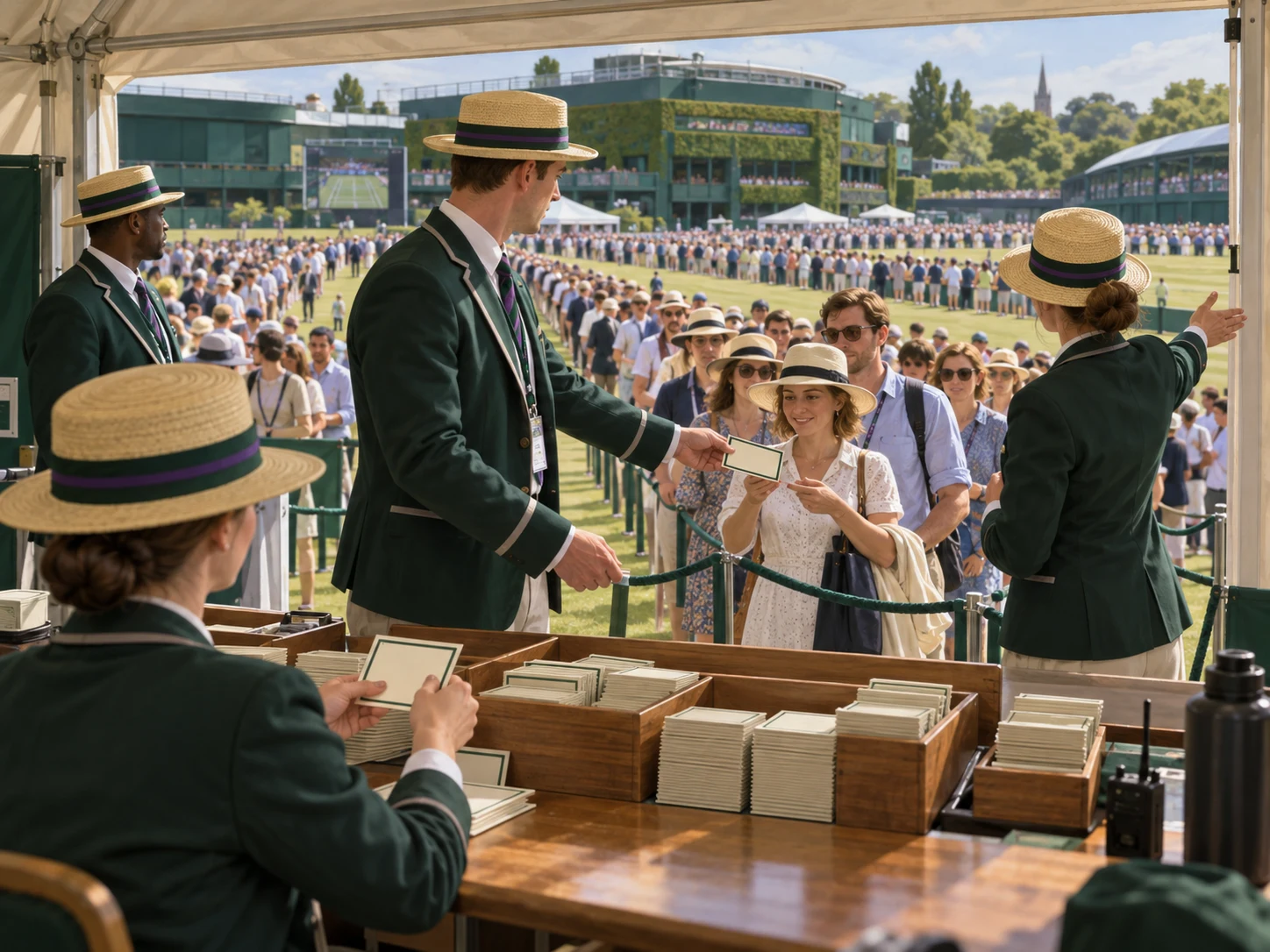
At Wimbledon, “The Queue” is almost as recognizable as the tennis. People hoping for admission on the day follow an organized waiting system, with queue stewards and Queue Cards helping establish order. Waiting here is not simply a crowd that happens to form outside a venue; it is something the organizers actively manage. Who arrived first? Where should newcomers go? When can a section move forward? Enthusiasm for tennis alone cannot answer those questions fairly. Stories about the queue often celebrate the patience and camaraderie of spectators. Less visible is the labor required to explain rules, communicate changes and prevent confusion. A Queue Card should not be confused with an unconditional guarantee of a particular ticket: availability and official arrangements matter. The system can also change, so visitors need current tournament guidance. The intriguing point is that an event famous for its competition has developed a second kind of discipline outside the courts. The line becomes a tradition not merely because people wait, but because the waiting has been given recognizable rules.
The defining feature of The People Who Manage the Wait is the way a specific procedure turned Queue StewardsとQueue Cardで巨大な待機列を管理 into ordered waiting. The line was not background scenery: it determined access, timing and the burden placed on the people involved. The revised account keeps those mechanics visible and separates the documented scene from assumptions that the source does not support.
Source check: Wimbledon's official guidance explicitly describes Queue Cards and stewarded order for people waiting for same-day tickets.