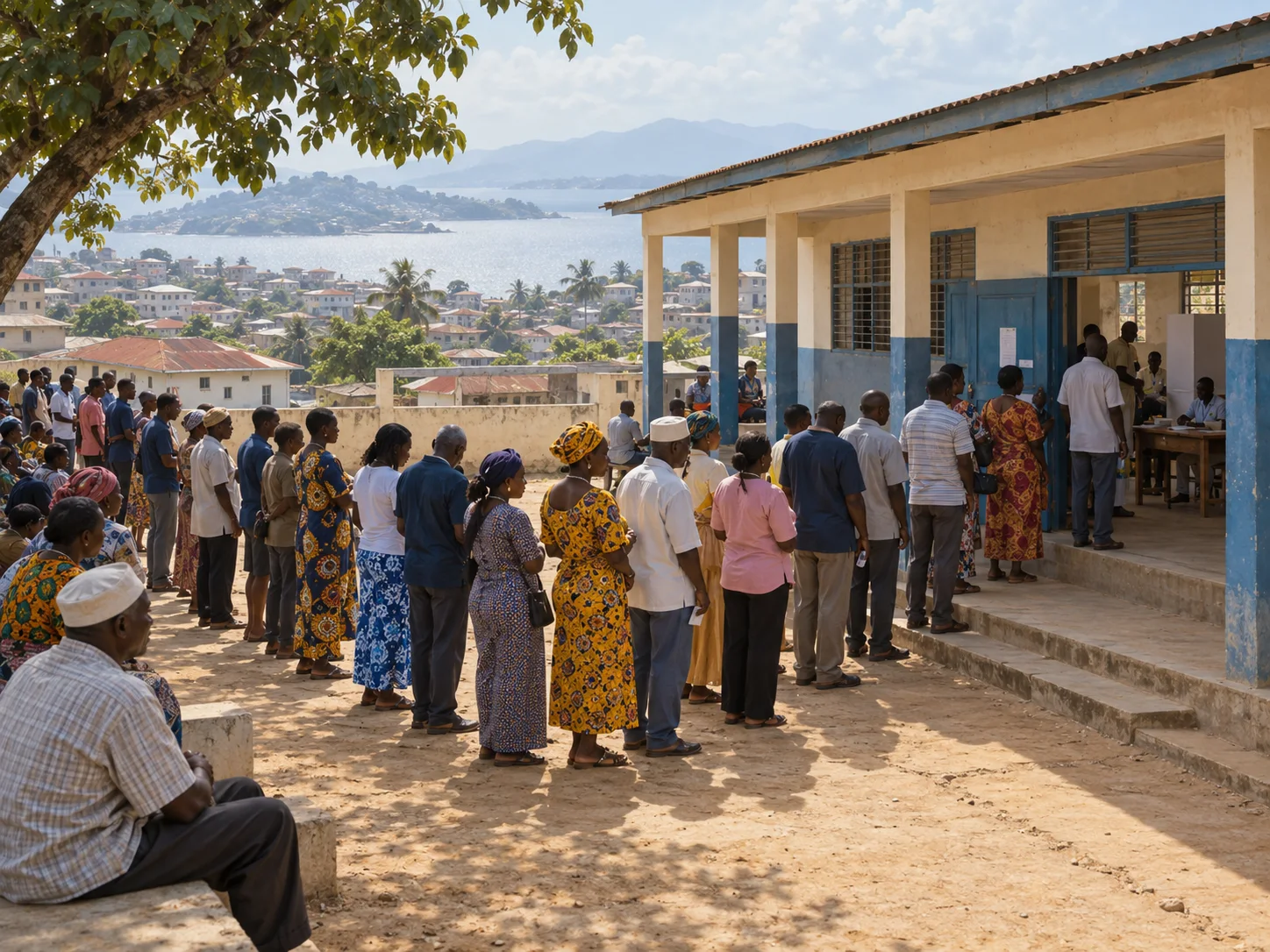
Long queues formed at Ghana Card registration centres in October 2021. Because Ghana's SIM-card re-registration exercise required the national identity card, people seeking to keep their mobile connections first had to reach a different administrative counter. In November, the National Identification Authority said demand for registration and card collection had surged and that overcrowding at its offices had become a public-health risk.
In January 2022, the National Communications Authority also acknowledged long queues and congestion at mobile-network customer-care centres. It advised customers to complete the first linking step by short code before visiting and asked operators to add locations and temporary registration points. The response did more than try to move one line faster: it multiplied the entrances through which people could complete the process.
A shared identity card can be a useful key connecting banking, telecommunications and government services. For someone who does not yet possess it, however, the same card becomes a gate before several services at once. Digitisation may reduce paperwork without eliminating the moments when a person must appear for a photograph, fingerprints or document inspection.
The people in this queue were not waiting only for a SIM card. They were waiting to be recognised by one state system before they could continue into another.